Anerley Road removals tips for narrow streets and flats
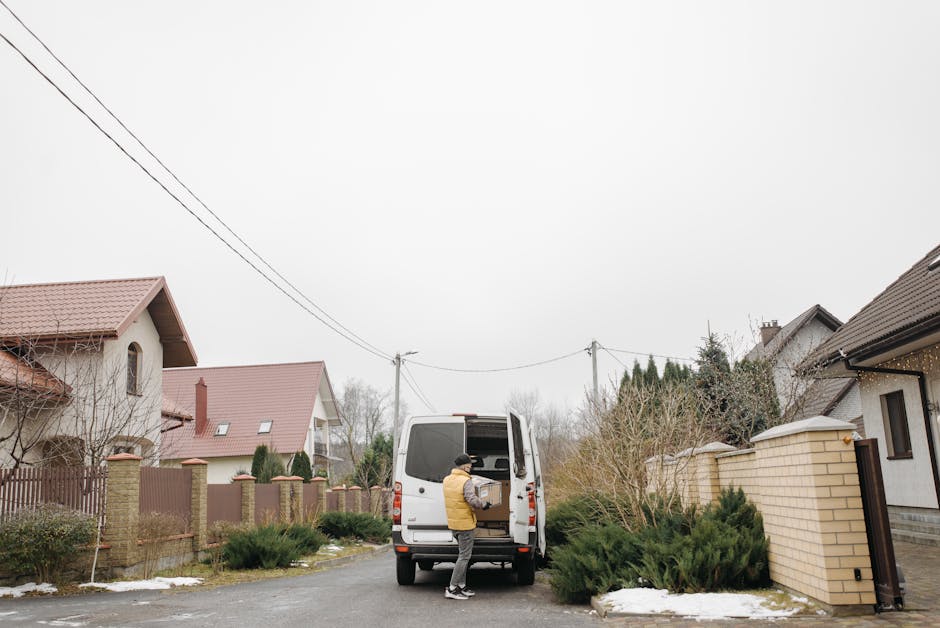
Moving on Anerley Road can feel straightforward on paper, and then the van arrives and reality kicks in. Narrow streets, parked cars, tight stairwells, top-floor flats, awkward corners, and the one neighbour who always seems to be moving a plant just as you need the pavement. If that sounds familiar, you are in the right place.
This guide brings together practical Anerley Road removals tips for narrow streets and flats so you can plan a calmer, safer move and avoid the usual last-minute scramble. Whether you are leaving a compact flat, moving furniture down a skinny staircase, or trying to time access on a busy residential road, the details matter. A lot.
Below, you will find a clear step-by-step approach, expert advice, common mistakes, a comparison table, and a realistic checklist you can actually use. It is written for real moves, not perfect ones.
Why Anerley Road removals tips for narrow streets and flats Matters
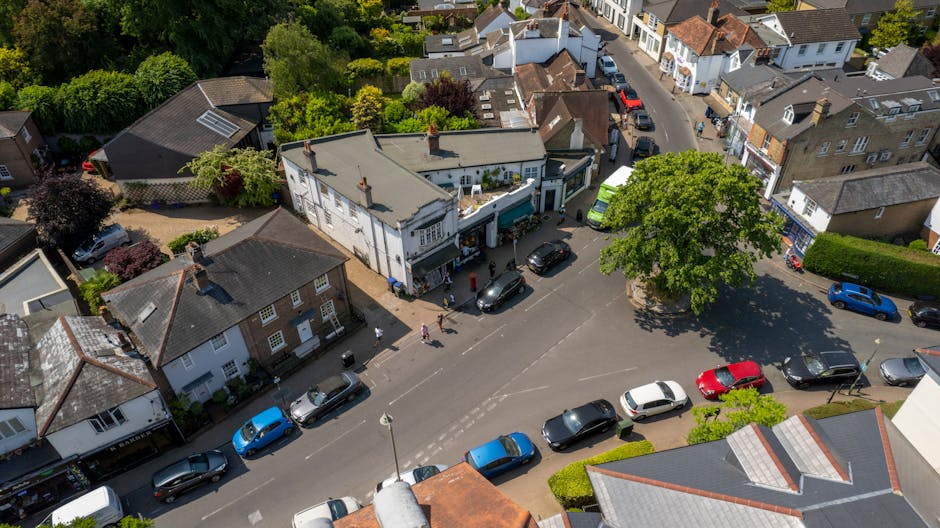
Anerley Road has the kind of layout that rewards planning. You may be dealing with a mix of terraced housing, converted flats, shared entrances, and streets where a large vehicle cannot simply pull up and unload in comfort. On a good day, that means a bit of extra coordination. On a bad day, it means blocked access, scratched furniture, annoyed neighbours, and a move that drags well into the evening.
The reason these removals tips matter is simple: the move is rarely limited by your boxes. It is limited by access. Can the van park safely? Can a sofa turn at the top of the stairs? Is there room to carry a wardrobe without hitting the banister? Will the load-in point be a short walk or a long, slightly nerve-wracking shuffle? Those details change the whole job.
For flats in particular, the difference between a smooth move and a stressful one is often in the pre-move questions. Lift availability, stair width, entrance codes, neighbour access, and the distance from the road to the front door all affect time, staffing, and vehicle choice. That is why it is worth treating the move as a small logistics project, not just a packing day.
And to be fair, this is where many people get caught out. They pack beautifully, label everything, and then realise the wardrobe will not fit around the landing. It happens more often than you would think.
How Anerley Road removals tips for narrow streets and flats Works
The best way to approach a move on a narrow London street is to break it into stages: planning access, choosing the right vehicle, preparing the flat, packing strategically, and loading in the right order. That sounds neat, and usually it is, but only if each stage is handled with a bit of realism.
First, assess the street itself. Is there room for a medium van to stop without blocking traffic? Can the driver safely reverse? Are there parking restrictions, resident bays, yellow lines, or school-time pressure nearby? On a busy road, even a ten-minute delay can ripple through the whole day. A smaller vehicle such as a man and van or a flexible removal van can sometimes make more sense than a larger truck.
Second, look at the building. A flat move often depends on stair shape more than box count. Straight staircases are one thing; narrow twists, half-landings, and low ceilings are another. If the route looks awkward, large furniture may need partial dismantling, protective wrapping, or a different carrying method altogether.
Third, plan the order of the load. Heavy, awkward items should not be left until the end if the route is tight. If you have a sofa, bed frame, or anything unusually bulky, decide in advance how it will be moved. That sort of prep saves time and, honestly, saves a few headaches too.
If you are comparing moving support options, it can also help to look at flat removals for home setups with stairs and shared access, or broader removal services when you need more than a basic van-and-lifter arrangement.
Key Benefits and Practical Advantages
A well-planned narrow-street move does more than reduce stress. It protects your furniture, saves time, and gives you a better shot at keeping the day on schedule. That matters on Anerley Road because small access problems can quickly become large ones.
- Less time lost to access issues: A pre-planned parking strategy avoids the stop-start chaos of circling the block.
- Lower risk of damage: Tight turns and narrow staircases are exactly where sofas get scuffed and mirrors chip.
- Better use of labour: The team can work in a steady rhythm instead of carrying boxes back and forth unnecessarily.
- Less pressure on neighbours: Quick loading and tidy placement are simply easier when access is mapped in advance.
- More accurate pricing: Clear details about access and floor level help avoid surprises later. If you want a clearer picture of pricing, the company's pricing and quotes information is worth reviewing before you book.
There is another benefit people often miss: confidence. When you know the plan, you stop second-guessing every step. That calm carries through the whole day, and everyone works better. Simple, but powerful.
Expert summary: On narrow London streets, the winning formula is not "pack more carefully and hope for the best." It is "measure access, choose the right vehicle, protect furniture properly, and keep the loading sequence practical."
Who This Is For and When It Makes Sense
This advice is most useful if you live in, or are moving into, a flat on or near Anerley Road with tight access. It is especially relevant for:
- people in basement flats with steps and narrow entrances
- top-floor tenants dealing with steep staircases
- owners of period buildings with awkward hallways
- students moving small loads in and out quickly
- families moving out of a compact flat into a house
- anyone who needs a smaller, more agile vehicle rather than a full-sized lorry
It also makes sense if you are moving under time pressure. Maybe your tenancy ends at midday, maybe your lift booking is only for a narrow window, or maybe you are trying to fit the move around work. In those cases, a practical service such as home moves can be useful because it keeps the whole process structured rather than piecemeal.
If the move is small and the access is tricky, a lighter setup such as man with van support can be a sensible fit. If the job is larger and you need more handling, you may be better served by a broader moving plan rather than trying to squeeze everything into one hurried trip.
Step-by-Step Guidance
Here is a practical way to handle a move on a narrow street with flat access. Nothing fancy. Just the sort of sequence that makes the day easier.
- Survey the access in person. Walk from the road to your front door. Note the width of the pavement, the position of parked cars, the number of steps, and any bottlenecks at the entry point.
- Measure the awkward items. Beds, sofas, wardrobes, and white goods are the usual culprits. Measure them before moving day, not during it.
- Decide what needs dismantling. If a bed frame or table can come apart safely, do it early. Keep screws and fittings in clearly labelled bags.
- Use the right packing style. Heavy items should go into small boxes, not heroic overstuffed ones. That lesson is learned once, usually while carrying a box that suddenly feels like wet concrete.
- Protect walkways and furniture. Use blankets, covers, or wraps on corners and frames. A scratch on a painted banister is annoying; a dented fridge door, more so.
- Book the right vehicle. A compact van is often more practical than something larger if the street is tight. If you need flexibility, man with a van support can be a good middle ground.
- Reserve parking or loading space where possible. If you can secure a sensible stopping point, do it. If not, plan for a carry from a legal parking spot and allow extra time.
- Load in a logical order. Put the heaviest and least fragile items first, with delicate boxes on top or in protected sections.
- Keep essentials separate. Documents, chargers, toiletries, medication, and one clean change of clothes should travel with you.
- Do a final walkthrough. Check cupboards, lofts, behind doors, the back of the bathroom cabinet, and any communal storage areas. People miss the oddest things. It is always the scissors or the kettle, never the obvious stuff.
If you are planning the move as part of a bigger relocation, it may also be worth looking at packing and boxes support so your materials and packing methods match the actual access problems you face.
Expert Tips for Better Results
Small streets and flats reward the people who think one step ahead. Here are the tips that matter most in practice, not just on paper.
1. Split boxes by carrying distance, not just by room
If the stairwell is narrow, two medium boxes may be easier and safer than one big box. In a flat move, the carry route matters more than the room label.
2. Keep bulky items out of the moving path until the last minute
A sofa wedged in a hallway can turn a clean move into a slow one. Leave larger items where they are until the team is ready to carry them. That little discipline saves space and tempers.
3. Use colour or clear labels for priority items
Labelling helps, but on move day it helps even more if you can tell at a glance which boxes are for the kitchen, which are fragile, and which are needed first that evening. A front-door label alone is not enough if three similar boxes all look identical.
4. Think about the weather, even in London
A light drizzle can make steps slippery and doorways muddy. A dry morning is always easier, but you cannot control the weather. You can, however, protect floors and reduce the number of times someone has to step in and out with wet shoes.
5. Be realistic about what you can lift
This is the bit people argue with themselves about. Truth be told, if an item looks heavy, awkward, and expensive, it probably deserves careful handling rather than a last-minute carry by two tired people and a bit of optimism.
For heavier specialist items or awkward pieces, services such as furniture removals can be more appropriate than standard loading. And if the item needs temporary holding between move-out and move-in, storage may keep the day much simpler.
Common Mistakes to Avoid
Most difficult moves do not go wrong because of one huge error. They go wrong because of five small ones stacked together.
- Assuming a full-size truck will fit: Narrow roads and turning space are the first things to verify.
- Not telling the mover about stairs: A ground-floor job and a third-floor walk-up are not the same thing, obviously, but people still describe them as if they are.
- Packing boxes too heavy: That is how handles fail and backs complain.
- Leaving dismantling until moving morning: It steals time from the actual move and makes everyone rush.
- Forgetting building access rules: Door codes, entry times, and neighbour considerations can all slow you down if not planned early.
- Not protecting shared areas: Hallways and stairwells in flats need extra care because damage there affects everyone.
A very common one is underestimating the carry from the van to the flat. It looks short when you stand outside with a coffee. It feels different with a wardrobe on a dolly and three flights of stairs ahead.
Tools, Resources and Recommendations
You do not need a warehouse full of kit, but a few practical tools can make a huge difference on tight access jobs.
- Measuring tape: For doors, stairs, lifts, and awkward furniture pieces.
- Furniture blankets or covers: Useful for protecting polished surfaces and painted edges.
- Strong tape and labels: For sealing boxes and marking priority rooms.
- Tool bag: Keep screwdrivers, Allen keys, and small fittings in one place.
- Sturdy gloves: Good grip helps when carrying awkward items through tight spaces.
- Small trolleys or dollies: Helpful where floors and entrances allow them safely.
For packing help, a dedicated service such as packing and unpacking services can save real time if you are juggling work, children, or a strict handover schedule. If you are moving student-sized loads or a lighter flat setup, student removals may be more appropriate because the scale and pacing are different.
When comparing moving support, it is also sensible to check the company's policies on insurance and safety and their approach to health and safety. That is not box-ticking. It is just good judgment.
Law, Compliance, Standards, or Best Practice
For a residential move, the main thing is to follow sensible UK moving practice rather than trying to improvise around access or parking. If you are using a van on a busy road, respect parking restrictions, loading rules, and any building-specific instructions. If a property has a communal entrance, keep noise and obstruction to a minimum.
Health and safety best practice matters too. Safe lifting, clear walkways, sensible team numbers, and appropriate equipment are all part of reducing risk. A moving team should be able to explain how they manage awkward access and protect property. If that explanation feels vague, ask again. Better to feel slightly annoying for five minutes than to discover a broken table later.
Insurance is another sensible consideration. No one likes paperwork, but if furniture or property is damaged during a tight carry, you want to know what cover is in place and how claims are handled. That is why pages such as terms and conditions and payment and security matter before you book, not after.
For environmentally minded moves, small details help too: reuse boxes where possible, donate usable items, and avoid unnecessary transport by planning one efficient load rather than several half-empty trips. If sustainability is part of your decision, the company's recycling and sustainability information can be helpful.
Options, Methods, or Comparison Table
Not every narrow-street or flat move needs the same approach. Here is a simple comparison to help you think it through.
| Option | Best for | Strengths | Watch-outs |
|---|---|---|---|
| Man and van | Small to medium flat moves, lighter loads, flexible access | Agile on tight streets, practical, often quicker for short hops | May be less suitable for large furniture or multiple floors without extra help |
| Removal van | Moderate household loads and compact urban moves | Good balance of space and manoeuvrability | Still needs clear parking and route planning |
| Full removals service | Full flat or house moves, awkward furniture, larger inventories | More support, more coordination, better for complex access | Needs more preparation and usually more lead time |
| Self-packed move with storage | Moves split across dates or delayed handovers | Flexible if the new place is not ready yet | Requires careful organisation and extra handling |
In many Anerley Road cases, the right choice is not the biggest one. It is the one that matches the building, the street, and the amount of stuff you actually own. A bit sobering, perhaps, but true.
Case Study or Real-World Example
Here is a realistic example. A couple moving out of a second-floor flat near Anerley Road had a sofa, a double bed, a dining table, and around twenty boxes. The street was narrow, with parked cars on both sides, and the stairwell had a sharp corner halfway up. Nothing impossible, but definitely not a "just back the van up and done" kind of move.
They measured the sofa and realised it would need to be taken apart partially. They booked a smaller vehicle rather than gambling on a larger one. The building access was checked the day before, and the stair route was cleared of shoes, umbrellas, and the sort of random hallway clutter that tends to breed in flats. Boxes were packed by weight, not just by room, which meant no one ended up carrying a box of books that felt like a brick.
On moving day, the team loaded the awkward items first, protected the banister, and used the shortest practical carry route. There was a small delay because a neighbour's car blocked part of the loading space for ten minutes. Annoying, yes. But because the plan allowed for some slack, the move still finished on time.
The real lesson? The move went well because the difficult bits were expected, not because they magically disappeared. That is the whole game on narrow streets and in flats.
Practical Checklist
Use this checklist a day or two before your move. It is simple, but it catches the stuff people forget when they are busy.
- Measure the biggest furniture items
- Check stair width, turns, and ceiling height where possible
- Confirm lift access or stair-only access
- Identify parking or loading restrictions
- Tell the mover about top-floor access, basement access, or shared entrances
- Dismantle beds, tables, or shelving that will not fit safely as-is
- Label fragile items clearly
- Pack heavy items in smaller boxes
- Prepare floor and corner protection if needed
- Keep essentials with you: keys, documents, chargers, medication, toiletries
- Set aside a first-night box
- Check the flat one final time before leaving
If you need broader support for a full move, you can also review removals options alongside the more specific flat-focused help. And if you are still comparing providers, the company's removal companies page can help you think through what level of service you actually need.
Conclusion
Narrow streets and flats are not a disaster waiting to happen. They just need a steadier, more thoughtful kind of planning. If you measure access, choose the right vehicle, pack with the route in mind, and prepare for the awkward bits before moving day, you make the whole job much easier.
The best Anerley Road removals tips for narrow streets and flats are really about respect for the space you are working in. Tight corners, shared stairwells, and busy roads all demand a calmer pace and a bit of judgement. Do that well, and you save time, reduce stress, and protect the things you care about.
Get a free quote today and see how much you can save.
And if the day feels a little overwhelming, that is normal. Most moves do, for a moment or two. Then the boxes start moving, the kettle turns up, and suddenly it all becomes manageable again.
Frequently Asked Questions
What is the biggest challenge with Anerley Road removals in flats?
The biggest challenge is usually access, not volume. Narrow staircases, limited parking, and awkward entry points can slow the move more than the boxes themselves.
Should I book a small van or a larger vehicle for a narrow street?
In many cases, a smaller, more manoeuvrable vehicle is the safer choice. If the street is tight and parking is limited, flexibility matters more than sheer size.
How do I know if my sofa will fit through the stairwell?
Measure the sofa, the stair width, and any corners or half-landings. If the route looks tight, it is worth checking whether the item can be dismantled or wrapped for a safer carry.
Is it better to dismantle furniture before moving day?
Yes, whenever possible. Dismantling earlier reduces stress, saves time, and makes it easier to manage furniture through narrow hallways and staircases.
What should I tell the removals company before booking?
Share the floor level, stair layout, lift access, parking restrictions, street width, and any bulky items. The more accurate the picture, the more accurate the plan.
Can I move from a flat on a busy road without blocking traffic?
Often yes, but it takes planning. Use a suitable vehicle, allow extra time, and organise the load so you are not holding up the street longer than necessary.
What are the most common mistakes people make on moving day?
Common mistakes include overpacking boxes, forgetting to measure furniture, underestimating stairs, and assuming parking will just work itself out. It rarely does.
Do I need storage if my move-in date is delayed?
If the new property is not ready, storage can be a very practical short-term solution. It keeps the move calm instead of turning it into a rushed double-handling exercise.
Are packing services worth it for a flat move?
They can be, especially if you are short on time or dealing with a lot of fragile items. Professional packing is often most helpful when access is tight and the moving day needs to run efficiently.
How early should I start planning a move on a narrow street?
As early as you reasonably can. Even a simple flat move benefits from a few days of planning, while more complex access problems may need a longer lead-in.
What if my building has a tricky staircase or no lift?
Then the staircase becomes a key part of the job plan. Make sure the mover knows in advance, and consider whether some items should be dismantled, wrapped, or moved with extra help.
How do I keep the move day calmer?
Keep your essentials separate, label boxes clearly, leave a little buffer in the timing, and accept that one or two small snags are normal. A calm move is rarely a perfect move, just a prepared one.